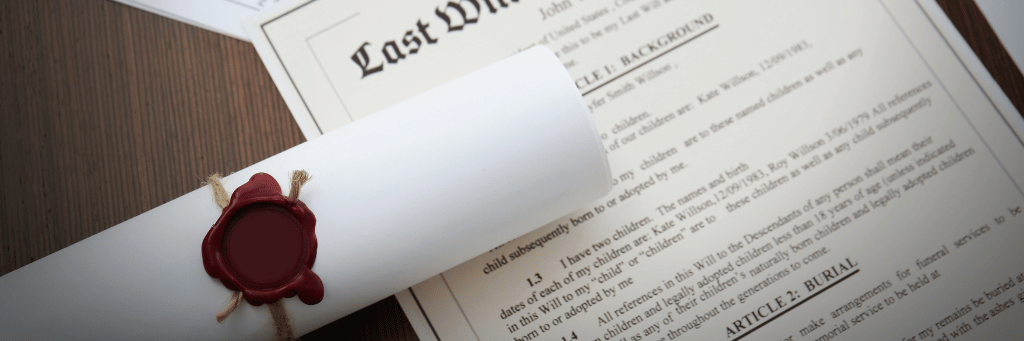
It’s Update Your Will Week 2026

This Update Your Will Week – 2nd to 8th March 2026, we are proud to support The Association of Lifetime Lawyers in raising awareness about the importance of both making a Will, as well as keeping your Will up to date if personal circumstances change.

Is your Will still right for you?
A Will is far more than just legal document. It captures your wishes, protects your loved ones, and safeguards the legacy you want to leave behind. Modern families are changing rapidly, and people often wrongly assume that their loved ones will be automatically taken care of. However, without clear and legally valid instructions, families and partners can face uncertainty, distress, and even costly disputes-often discovering too late that assumptions do not provide protection under the law and can have serious consequences
Why updating your Will matters
Your Will ensures that your money, property, and personal possessions pass to the people you choose. If you have children under the age of 18, you can also appoint legal guardians in your Will. And if you have pets, you can decide who will look after them after your passing. But when did you last review yours? If your Will is not up to date or you don’t have a Will:
- your estate may be distributed under the intestacy rules, which might not reflect your wishes or your family’s needs.
- loved ones could face unnecessary stress, delays, or legal disagreements at an already difficult time. Your Will should be treated as a living document-evolving as your circumstances change. Regular reviews aren’t a luxury; they’re an essential part of protecting the people you care about.

"*" indicates required fields
When should you update your Will?
It’s best practice to review your Will every three to five years or after any major life event, such as:
- Getting married or entering a civil partnership
- Getting divorced or dissolving a civil partnership
- Becoming a parent or grandparent
- Buying a home or changing your financial situation
- Losing a loved one
- Starting a business
- You or a beneficiary obtaining a Gender Recognition Certificate

What Are The Risks of Using Unregulated Will Writers in the UK?
Making a Will is a vital step in ensuring that your assets are passed on according to your wishes and that your loved ones are taken care of after you’re gone. However, an increasing number of people are turning to unregulated Will writers, often drawn in by low fees, promises of simplicity, and sometimes even the offer of a free gift! A blog by Stacie Hurt.
Need to make or update your Will?
If it’s been a while since you last looked at your Will, or you don’t have one yet, now is the time to take action. At Thornton Jones Solicitors our Private Client team offer specialist expertise in later-life legal matters.
We can help families put clear, legally robust arrangements in place that reflect real lives. We aim to provide personalised support with care, empathy, and attention to detail, ensuring your wishes are clearly documented and legally protected.
Don’t wait until it’s too late, ensure your future wishes are in place today. If you need to make or update your Will, contact our team on 01924 290 029 or contact us using our online enquiry form for expert advice today.
Update Your Will Solicitors FAQs
It’s sensible to review your will every three to five years, or sooner if you experience a major life event such as marriage, divorce, the birth of a child, buying property, or a significant change in financial circumstances. Regular reviews ensure your wishes remain accurate and legally effective.
Failing to update your will can lead to unintended consequences. For example, marriage can revoke an existing will (unless made in contemplation of marriage), and divorce may affect how gifts to a former spouse are treated. An outdated will can create uncertainty, delay administration of your estate, and increase the risk of disputes.
Minor amendments can be made using a codicil, but significant changes are often best dealt with by preparing a new will. Attempting to alter a will yourself, for example, by crossing out sections, can invalidate it or cause confusion. Seeking legal advice ensures your updated will is properly drafted and executed in line with English law.




The content of this blog post is for information only and does not constitute formal legal advice and should not be relied upon as advice. Thornton Jones Solicitors Limited accepts no liability for any such reliance upon this content. Where the post includes links to external websites, Thornton Jones Solicitors Limited accepts no responsibility for the content of such sites. Any link to a third-party website should not be construed as endorsement by Thornton Jones Solicitors Limited of any content, products or services which are outside our direct control.
Contact our Wills and Probate Solicitors in Garforth, Leeds
Thornton Jones Solicitors
Westbourne House
99 Lidgett Lane
Garforth
Leeds
LS25 1LJ
Tel: 0113 246 4423
Fax: 0113 831 4929
Email: enquiries@thorntonjones.co.uk
Contact our Wills and Probate Solicitors in Wakefield
Thornton Jones Solicitors
Bank House
1 Burton Street
Wakefield
WF1 2GF
Tel: 01924 290029
Fax: 01924 290240
Email: enquiries@thorntonjones.co.uk
Contact our Wills and Probate Solicitors in Ossett, Wakefield
Thornton Jones Solicitors
25 Bank Street
Ossett
WF5 8PS
Tel: 01924 586466
Fax: 01924 290240
Email: enquiries@thorntonjones.co.uk
Contact our Wills and Probate Solicitors in Sherburn in Elmet, Leeds
Thornton Jones Solicitors
6 Finkle Hill
Sherburn in Elmet
Leeds
LS25 6EA
Tel: 01977 350500
Fax: 0113 831 4929
Email: enquiries@thorntonjones.co.uk
What is a Discretionary Trust?

When people are planning for their future, most have two objectives, to protect their assets and provide for their loved ones. A Discretionary Trust is a legal structure that can offer both. It allows you to safeguard your wealth, maintain some control, and ensure your beneficiaries are looked after. It also provides the flexibility to deal with changing circumstances over the passage of time and a number of different scenarios that may arise.

What Is a Discretionary Trust?
A Discretionary Trust is a Trust Deed that can be created during your lifetime, or upon your death by the terms of your Will. The structure of a Discretionary Trust enables you, as the person putting your assets or money into the trust (known as the Settlor), to give those assets to a group of people chosen by you (the Trustees) to look after for the people you want to benefit from the trust (the Beneficiaries).
As the Settlor, you may appoint yourself as a Trustee. If you would like to keep control of how the assets in the Trust are used, then you would be able to do so by being a Trustee. Whilst extracting the asset from your estate and allowing your beneficiaries to enjoy it, jointly with the other Trustees you still retain decision making power until transferred to the beneficiaries absolutely.
The Trust Deed will name the group of people who you want to benefit from those assets (the Beneficiaries). It will be at the discretion of the Trustees to decide which of the Beneficiaries to pass assets on to, when, and how much they will receive. The Trustees have the authority to decide how income and capital from the trust should be distributed among the beneficiaries.
You can leave detailed instructions and directions to the Trustees as to how you would like them to exercise their discretion by preparing a Letter of Wishes to accompany the Trust Deed. Although the Letter of wishes is not legally binding on the Trustees, they will often take them into consideration and follow your wishes as closely as possible, whilst considering other factors. This flexibility allows the Trustees to respond to changing family, financial, or tax circumstances.
Who Is Involved in a Discretionary Trust?
- Settlor: The individual who sets up the trust and transfers assets into it.
- Trustees: The people appointed to manage the trust assets in line with the trust deed.
- Beneficiaries: The individuals or groups who may benefit from the trust.
What are the advantages of a Discretionary Trust?
Asset Protection
Because of its discretionary nature, with the decision as to who benefits, when and by how much resting with the Trustees, none of the Beneficiaries are “entitled” to any of the trust fund. Therefore, assets held in a Discretionary Trust are generally protected from claims in situations like divorce, bankruptcy, or litigation. If a beneficiary is going through a divorce, an appropriate Discretionary Trust can ensure that assets from your estate won’t pass to their former spouse. Similarly, if a beneficiary is bankrupt, or in danger of becoming bankrupt, there is a real risk that with no Discretionary Trust in place, any gift from your estate could be paid directly to the Beneficiary’s creditors.
Since beneficiaries have no fixed entitlement, their creditors usually cannot access trust assets.
Estate Planning Flexibility
A Discretionary Trust helps you control how family wealth is used and distributed, even across generations. This can included business interests and family companies. It can provide for children or dependants who are not yet financially mature or have special care needs. It can provide for specific scenarios arising and changing circumstances.
If a beneficiary has a disability or is vulnerable in some way, or receives other state benefits, any money paid directly from your estate could reduce their entitlement to state support or render them ineligible completely. A trust for a vulnerable person can benefit from favourable tax treatment.
Potential Tax Planning Benefits
When used appropriately, Discretionary Trusts can offer income tax saving opportunities or structure estate transfers efficiently. However, tax treatment varies, so professional tax advice is essential.
Scope and Continuity
A Discretionary Trust can be set up during your lifetime and continue to run smoothly after your death, ensuring uninterrupted management of family wealth.

Do I need to register my Trust with HMRC?
Most trusts in the UK must be registered with HMRC’s Trust Registration Service, but certain trusts are exempt, such as those imposed by a court or created through legislation. Trustees are legally responsible for ensuring registration where required. Failing to do so can lead to penalties, so it is important to confirm your obligations with a solicitor or a tax adviser. Read more…
Tax Opportunities and Obligations of a Discretionary Trust
Income Tax
Trustees are responsible for paying Income Tax on income received by the Trust. The Trust will pay the higher rate of Income Tax. Any gross income above £500 (being the allowance for Trusts) is taxable at the current trust tax rate of 45%. Dividend income is charged at a rate of 39.35%. If the Settlor has more than one Discretionary Trust, the £500 tax free limit is divided by the number of trusts.
When Trustees pay income to a beneficiary who is taxed at less than 45% the beneficiary can reclaim the tax so that the eventual tax burden does not exceed what it would have been if the trust assets were their own.
Discretionary Trusts can be a useful tool for income tax planning, depending on the circumstances of the beneficiary.
Capital Gains Tax
This is a tax on the profit (gain) when an asset that has increased in value is taken out of or put into the Trust.
If assets are put into the Trust, the tax is paid by the person selling or transferring the asset.
If assets are taken out of the trust the Trustees usually have to pay the tax is they sell or transfer assets on behalf of the beneficiaries.
The rate of Capital Gains Tax is payable at 24% if the trust’s annual total taxable gain is greater than its tax-free allowance (£1,500 or £3,000 if the beneficiary is vulnerable. If there is more than one beneficiary, the higher allowance may apply even if only one of them is vulnerable.
Inheritance Tax
Inheritance Tax may be payable on a person’s estate when they die. Inheritance Tax can also apply when you are alive if you transfer some of your estate such as property, money, investments etc into a trust.
The main situations when Inheritance Tax is due are:
- When assets are transferred into a trust, if the value of the assets put into the trust by the settlor exceeds the £325,000 nil rate band. Where the asset qualifies for relief such as Business Property Relief then it may be that no IHT arises on the initial transfer.
- When a trust reaches it’s 10-year anniversary of being set up (10-yearly Inheritance Tax payments). This is currently up to 6%, payable on the amount by which the value of the trust fund exceeds the available nil rate band.
- When assets are transferred out of a trust, known as exit charges. This is when capital or assets are distributed from the trust to a beneficiary. These are generally a proportion of the 6% charge, depending on the time passed since the last 10-year charge.
- When somebody dies and a trust is involved.
"*" indicates required fields
What are the Duties of Trustees in a Discretionary Trust?
Trustees of Trusts should be aware of the need to comply with the HM Revenue & Customs Trust Registration Service. This is a central register that HMRC maintains of most trust arrangements, particularly express trusts (i.e. those created intentionally by the settlor). Registration is often required even if the trust has no tax to pay at the time it is created.
Trustees also have administrative obligations and duties such as keeping accounts, filing Trust Tax Returns, and ensuring the payment of tax where applicable.
Conclusion
There are a range of situations where a Discretionary Trust could provide a flexible solution for protecting your estate and your family’s future. You do not have to be wealthy to find that a Discretionary Trust can offer a flexible, effective way of passing assets onto your chosen beneficiaries.
It is important to consider who you would appoint as Trustees. They should be trustworthy, impartial where possible and financially competent.
It is important to ensure clarity as to the terms of the Trust including its powers, intent and scope.
It important to recognise and understand compliance obligations and the tax treatment associated with Discretionary Trusts, and to consider whether other planning options would be more tax effective or appropriate for your individual situation.
The key issues is to recognise that bespoke advice is needed and to seek both expert legal and financial advice as early as possible.
Contact our Discretionary Trusts Solicitors for Advice
Here at Thornton Jones, we can provide bespoke advice tailored to your circumstances.
Our experienced team will advise you on whether a Discretionary Trust suits your circumstances, or perhaps another kind of Trust, and if appropriate draft a bespoke Trust Deed to reflect your intentions, assist Trustees with administration and compliance and coordinate with financial and tax advisors where appropriate.
If you need assistance or advice you can contact our team today on 01924 290 029 or contact us using our online enquiry form.
Discretionary Trust Solicitors FAQs
Capital Gains Tax (CGT) is a tax on the profit you make when you sell or dispose of an asset that has increased in value, such as property, shares, or other investments. It is only charged on the gain, not the total sale amount, and certain exemptions, like your annual CGT allowance, may apply.
Inheritance Tax (IHT) is a tax on the estate (property, money, and possessions) of someone who has passed away. In England, it is typically charged on estates valued above a certain threshold, with exemptions available for gifts, charities, and transfers between spouses or civil partners.
Income Tax is a tax on money you earn, including wages, pensions, self-employed profits, and some savings or investment income. The rate you pay depends on your total income and the applicable tax bands, with personal allowances and reliefs reducing the amount you owe.
The content of this blog post is for information only and does not constitute formal legal advice and should not be relied upon as advice. Thornton Jones Solicitors Limited accepts no liability for any such reliance upon this content. Where the post includes links to external websites, Thornton Jones Solicitors Limited accepts no responsibility for the content of such sites. Any link to a third-party website should not be construed as endorsement by Thornton Jones Solicitors Limited of any content, products or services which are outside our direct control.
Contact our Discretionary Trust Solicitors in Garforth, Leeds
Thornton Jones Solicitors
Westbourne House
99 Lidgett Lane
Garforth
Leeds
LS25 1LJ
Tel: 0113 246 4423
Fax: 0113 831 4929
Email: enquiries@thorntonjones.co.uk
Contact our Discretionary Trust Solicitors in Wakefield
Thornton Jones Solicitors
Bank House
1 Burton Street
Wakefield
WF1 2GF
Tel: 01924 290029
Fax: 01924 290240
Email: enquiries@thorntonjones.co.uk
Contact our Discretionary Trust Solicitors in Ossett, Wakefield
Thornton Jones Solicitors
25 Bank Street
Ossett
WF5 8PS
Tel: 01924 586466
Fax: 01924 290240
Email: enquiries@thorntonjones.co.uk
Contact our Discretionary Trust Solicitors in Sherburn in Elmet, Leeds
Thornton Jones Solicitors
6 Finkle Hill
Sherburn in Elmet
Leeds
LS25 6EA
Tel: 01977 350500
Fax: 0113 831 4929
Email: enquiries@thorntonjones.co.uk
Lasting Powers of Attorney: Protection You Hope You’ll Never Need
Most of us are happy to take out insurance. We insure our homes, our cars, even our holidays. Why? Because if something goes wrong, we want to know we’re protected. A Lasting Power of Attorney (LPA) works in the same way. You may never need it, but if you do, it can make all the difference to you and your loved ones.
You must remember that you can only make an LPA while you still have mental capacity. If illness, accident, or age takes that away, it’s too late. Just like with insurance, you don’t wait until the disaster has happened before putting cover in place.
What is a Lasting Powers of Attorney?
A lasting Powers of Attorney (often abbreviated to an LPA) is a legal document that lets you choose one or more people you trust to make decisions for you if, one day, you can’t make them yourself. There are two types and you should think of them as two separate insurance policies: one for your finances, one for your wellbeing. Together, they give you complete protection.
Property and Financial Affairs LPA
A Property and Financial Affairs LPA covers money matters like paying bills, managing bank accounts, pensions, and even selling your home if necessary.
Health and Welfare LPA
A Health and Welfare LPA covers personal matters like where you live, your daily care, and medical treatment, including life-sustaining treatment.

5 Benefits of a Lasting Power of Attorney
Whilst a Will can protect your family after you have passed, what about protecting yourself and your family should you find yourself unable to care for your own matters? In this blog by Liz Fyfe, she outlines five key benefits of having a lasting Powers of Attorney in place. Read more…
Why do Lasting Powers of Attorney Matter?
Without an LPA in place, your family doesn’t automatically have the right to step in and help if you lose capacity. Instead, they may need to apply to the Court of Protection – a process that can be long, stressful, and expensive.
By setting up LPAs in advance, you:
- Choose who makes decisions for you, rather than leaving it to the courts.
- Save your family unnecessary stress and costs.
- Have peace of mind that everything is taken care of.
Why are Both Types of LPA Important?
Many people arrange a Property and Financial Affairs LPA but overlook the Health and Welfare LPA. But health decisions are often the hardest and most emotional ones. By having both, you know you’re fully protected for your money and your care.
You may never need to rely on your LPAs, just like you may never claim on your home insurance. But if you do, you’ll be so glad they’re there.
Setting them up now is one way of avoiding extra stress and making things easier for your family and loved ones should you become incapable of managing matters for yourself at any stage in the future.
Find out more about the Six Big Questions Commonly Asked on Mental Capacity and Powers of Attorney in this article by Liz Fyfe. Read more…
Contact our Wills and Probate Solicitors in Yorkshire
If you would like to know more about Lasting Powers of Attorney or perhaps you’d like to book an appointment please get in touch and our skilled and experienced Lasting Powers of Attorney solicitors will guide you through the process.
Speak to our expert Lasting Powers of Attorney solicitors in Wakefield, Ossett, Garforth, and Sherburn in Elmet, Yorkshire today by calling 01924 290 029 or ask a question using our online enquiry form.
Lasting Powers of Attorney FAQs
An attorney can be anyone who is aged 18 or over. Usually the chosen attorney will be a spouse, a partner, a family member or a close friend. Some people choose to nominate a professional attorney, who could be a solicitor, an accountant or other relevant professional, giving you the benefit of their skills and judgement and impartiality.
It’s important to know that an attorney cannot be bankrupt if they are appointed as an attorney for property and financial affairs.
Losing mental capacity means a person can no longer make their own decisions because they are unable to understand, remember, weigh up, or communicate information related to that decision. This can be a result of conditions like severe dementia, a brain injury, or a stroke, and it means a person is legally unable to make choices about their finances, health, or welfare. Without a Lasting Powers of Attorney (LPA), a court must appoint a deputy, a process that is costly and removes the individual’s ability to choose who will make decisions on their behalf.
To create a Lasting Power of Attorney, you will need to:
• Choose an attorney or attorneys to act for you
• Fill out the appropriate form (or have your solicitor do this for you)
• Register the LPA with the Office of the Public Guardian
Creating an LPA can take up to around 3 months and it is strongly recommended to have an experienced solicitor help you with the process to ensure all of the relevant issues are correctly considered and accounted for.
A Property and Financial Affairs LPA allows someone you trust to manage your money, property, and financial matters, such as paying bills or selling your home. A Health and Welfare LPA lets them make decisions about your medical care, living arrangements, and daily routine, but only if you lose mental capacity.
Sherburn Office
Call our Lasting Powers of Attorney Solicitors in Sherburn in Elmet on
Ossett Office
Call our Lasting Powers of Attorney Solicitors in Ossett, Wakefield on
The content of this blog post is for information only and does not constitute formal legal advice and should not be relied upon as advice. Thornton Jones Solicitors Limited accepts no liability for any such reliance upon this content. Where the post includes links to external websites, Thornton Jones Solicitors Limited accepts no responsibility for the content of such sites. Any link to a third-party website should not be construed as endorsement by Thornton Jones Solicitors Limited of any content, products or services which are outside our direct control.
Going on Holiday? Make Sure Your Will Is Up to Date

When you are planning a holiday, you are probably thinking about hot weather, restaurants, beautiful cities, and not your financial affairs. Holidays, sadly, can be risky and unpredictable which no one wants to talk about. Our advice is to make sure your will is up to date before you travel.
When should I update my will?
Reviewing and/or updating your Will before you go on holiday is a practical step in responsible life planning due to the risk that any type of travelling poses.
A holiday, whether that is a staycation in the UK or abroad, is about enjoying yourself and taking your mind off day-to-day life. Knowing all your admin tasks and financial affairs are up to date before you go away will provide you with peace of mind without any lingering worries. Life is about enjoying yourself but also about planning wisely, which includes your Will and estate planning.
Travel increases your exposure to risk accidents and illness. While this is unlikely, it is better to be prepared. A clear, updated Will reduces confusion and emotional stress for your family if something does happen.

If you are going on holiday and wish to review and update your Will then contact us today. Our expert Private Client solicitors are on hand to help ensure your Will is up to date and properly reflects your wishes. You can find out more about our Wills, Lasting Powers of Attorney, and Probate services here.
Who should make a Will?
Making a Will is not just for those who retire. Anyone over the age of 18 needs to make a Will, especially if children are involved and/or a property, savings and pets.
Here is a Will Checklist before you go on Holiday:
- Check Your Will – Is it still relevant? Has there been any recent changes in relationship (marriages, divorces, new children, new grandchildren)? Are there any new assets, such as property, savings, investments? Do your gifts in your Will need updating such as any charity gifts?
- Appoint guardians – If you have children under 18, ensure legal guardians are named in your Will.
- List your assets – Your Will should reflect your current property, current bank accounts and investments.
- Talk to your loved ones –Let someone know where your Will is kept and who to contact in case of an emergency.
- Update other documents – It is also important to put Lasting Powers of Attorney in place and ensure any pension/life insurance nominations are up to date.
Any type of travelling is a great reminder to do adulting tasks that often get delayed. Before you pack your suitcase, update your Will, and then you can enjoy making memories with your family and friends.
Make sure your Will is up to date today. Contact our specialist Wills & Probate solicitors in Yorkshire
If you are considering reviewing or updating your Will before going on holiday, our experienced Wills and probate team can guide you through the process. We provide clear advice to ensure your wishes are legally protected and your loved ones are looked after.
Speak to our expert residential conveyancing solicitors in Wakefield, Ossett, Garforth, and Sherburn in Elmet, Yorkshire today by calling 01924 290 029 or ask a question using our online enquiry form.
The content of this blog post is for information only and does not constitute formal legal advice and should not be relied upon as advice. Thornton Jones Solicitors Limited accepts no liability for any such reliance upon this content. Where the post includes links to external websites, Thornton Jones Solicitors Limited accepts no responsibility for the content of such sites. Any link to a third-party website should not be construed as endorsement by Thornton Jones Solicitors Limited of any content, products or services which are outside our direct control.
Make A Will Frequently Asked Questions
Almost every adult should consider making a Will, it is not just for those of a certain age. It is especially important for certain groups as follows:
• If you have children. You can name a legal guardian for your children. Without a Will, the court decides who looks after them if there is no one with parental responsibility.
• You own a property or assets. If you own any type of asset, a Will allows you to state clearly who you wish these assets to pass to upon your death.
• Married or in a Civil Partnership or long term Partnership. A Will can ensure your spouse or partner inherits according to your wishes. Please note, if you are unmarried and do not have a Will, your partner will not benefit under the intestacy rules.
If you are over the age of 18 and have mental capacity you should make a Will as soon as you are able to but certainly if one of the following apply:
• You have children
• You are in a relationship, married or divorced
• You have a property and/or savings
• If an individual dies without a Will, they die intestate, meaning who their estate passes to is decided by the intestacy rules. A Will lets you choose who inherits your property, money and belongings, you can leave specific gifts to certain individuals or charities and it prevents certain individuals receiving your assets.
• A Will lets you choose who deals with your estate, known as your Executors. It allows you to appoint individual/s you trust.
• A clear Will reduces confusion, legal issues and misunderstandings after your death
• Having a Will makes things easier for your loved ones
• With a valid Will, the process of applying for the Grant of Probate is generally quicker and easier.
• Making a Will gives you the peace of mind that your wishes will be honoured and your loved ones will be taken care of during a difficult time
Will comes into play at the date someone passes away, so is there anything that can be put in place during lifetime? Yes – Lasting Powers of Attorney (“LPA”). An LPA lets you choose who will make decisions on your behalf if you lose mental capacity to do so during your lifetime. If you do not have an LPA in place and lose capacity, no one can legally act for you without going through a long and costly court process, known as a deputyship application.
You can appoint attorneys who you know and trust, such as family members, close friends or professionals.
Many people assume LPAs are only for the elderly, but they are just as important for:
1. Younger adults at risk of accidents, brain injury or mental illness
2. Those undergoing medical treatment
Once the LPAs are registered with the Office of the Public Guardian (“OPG”), your LPAs gives the legal authority to your chosen attorneys to act on your behalf. It is a recognised document by banks, medical institutions and government bodies. Please note, that LPAs cannot be used until they have been registered with the OPG. The OPG are advising their timescales to be approximately 4 months for registration.

Marriage Maths: Should You Get Married to Save Inheritance Tax?
Although marriage is often seen as a personal commitment, it can also be a practical financial arrangement. This is especially true when considering inheritance tax.
The legal distinction between married and unmarried couples has significant consequences when it comes to estate planning. This article examines whether entering into a marriage or civil partnership could be a strategic step to mitigate inheritance tax liabilities and safeguard assets for future generations.
What is Inheritance Tax?
Inheritance tax is a tax on the estate, which includes property, money, and possessions, of someone who has died. In the UK, it is usually charged at 40% on the estate’s value above the £325,000 threshold. This threshold is called the nil-rate band. An additional allowance of £175,000 may apply if you leave your main residence to direct descendants. This is known as the Main Residence Nil Rate Band and applies only if certain conditions are met.
Inheritance Tax for Married Couples and Civil Partners
Everything you leave to your spouse has the benefit of 100% spousal exemption from paying inheritance tax, regardless of value.
Any unused tax free allowance can be transferred to your spouse when you die – therefore if you leave everything to each other when you die on second death you potentially have doubled the threshold to £650,000.
When leaving the family home to children or grandchildren on second death, a married couple has a combined main residence nil-rate band of £350,000, which provides for a total potential tax-free estate of up to £1 million.
Inheritance Tax for Cohabiting Couples
If you’re in a long-term relationship, sharing a home, finances, and possibly raising children together, you might assume your legal and financial standing mirrors that of a married couple. When it comes to inheritance tax, cohabiting couples are treated very differently, and often to their detriment.
Unlike married couples, your partner may not receive anything automatically from your estate unless you name them explicitly in your Will. Even married couples are advised to make Wills. This is because there is no guarantee that a person’s entire estate passes to their spouse. It depends on family circumstances and the value of the estate.
Even if you have completed a Will and the surviving partner inherits everything the main residence nil rate band isn’t then available on their death This means they would be charged inheritance tax on anything above threshold.
Without marriage, the surviving partner can’t inherit unused tax-free allowances, unlike spouses.
That means if you leave your entire estate to your partner and you’re not married, or in a civil partnership, there could be a hefty tax bill. This could potentially mean assets like the family home might have to be sold to pay it.
In other words, married couples can pass on wealth much more efficiently as the exemptions available to them do not apply to long-term cohabiting partners, no matter how committed or interdependent they are.

If I am excluded from a Will, what can a Court award me under the Inheritance (Provision for Family and Dependants) Act 1975 Act?
A blog by Stacie Hurt.
Once the Court has considered all the various relevant factors to an applicant’s 1975 Act claim, the Court could conclude that they believe that the Will or Intestacy Rules does make “reasonable financial provision” for the applicant, and the applicant could lose their claim (and potentially be liable for the other sides costs, as well as their own).
Is Marriage a Smart Financial Strategy?
If your main concern is safeguarding your estate and reducing tax liabilities for your partner and children, marriage may offer significant financial protection. Many families now consider asset protection as part of their estate planning. Including common methods, such as trusts relating to your property, within your will can create tax traps for unmarried couples. This means some options may not be available to you. As a result, your estate might lack the protection you want when balancing provision for a partner and the next generation.
However, Marriage is a legal contract with implications for property, debt, and future inheritance. If the relationship breaks down, divorce can be financially and emotionally draining and assets are more difficult to separate. Solicitors specialising in divorce and those specialising in probate matters will have very different and often opposing views on the merits of marriage.
It may also feel uncomfortable/unromantic marrying primarily for tax reasons.
Inheritance Tax FAQs
Yes. Marriage allows spouses to transfer any unused inheritance tax allowances to each other upon death. This means the surviving spouse can potentially inherit up to twice the individual tax-free threshold before inheritance tax applies, significantly reducing the overall tax liability on the estate.
Civil partners receive the same inheritance tax benefits as married couples. They benefit from a 100% exemption on assets passed between partners and can transfer any unused nil-rate band allowance to the surviving partner, unlike unmarried couples who don’t receive these protections under current law.
Cohabiting couples without marriage or civil partnership do not benefit from spousal exemptions or the ability to transfer unused allowances. Therefore, they could face inheritance tax bills and the death of the first of them, which may result in assets needing to be sold to cover the tax a consideration not faced by married couples.
The nil-rate band is the amount—currently £325,000—that an individual can pass on without paying inheritance tax. Married couples can combine their individual nil-rate bands, meaning a combined threshold of up to £650,000 can be passed on tax-free, helping to protect more of their estate from inheritance tax.
Yes. The Main Residence Nil Rate Band offers an additional allowance, currently up to £175,000, when a main home is left to direct descendants such as children or grandchildren. This allowance is added to the standard nil-rate band, further reducing the taxable value of the estate.
Should I buy a hat?
In conclusion, getting married for Inheritance Tax savings can be worth it if it aligns with your personal and legal goals. For committed couples who already share their lives and assets it can provide protection and peace of mind. But marriage is more than a tax decision. Before making this decision discuss this with your advisors (both legal and financial) and ultimately decide if it works for you on a personal level.
"*" indicates required fields
Need help making a Will?
If you are looking to make a Will, or perhaps you already have a Will and wish to update it, then we can help. Our team of skilled, experienced, and regulated Solicitors can guide you through the process ensuring that your wishes are properly documented. For more information and to make an appointment just contact us at any of our offices.
The content of this blog post is for information only. It does not constitute formal legal advice and should not be relied upon as advice. Thornton Jones Solicitors Limited accepts no liability for any such reliance upon this content. Where the post includes links to external websites, Thornton Jones Solicitors Limited accepts no responsibility for the content of such sites. Any link to a third-party website should not be construed as endorsement by Thornton Jones Solicitors Limited of any content, products or services which are outside our direct control.
What Are The Risks of Using Unregulated Will Writers in the UK?

Making a Will is a vital step in ensuring that your assets are passed on according to your wishes and that your loved ones are taken care of after you’re gone. However, an increasing number of people are turning to unregulated Will writers, often drawn in by low fees, promises of simplicity, and sometimes even the offer of a free gift!
Unfortunately, it is our experience that using an unregulated Will writer can lead to complications that costs your Estate more in the long run than if a regulated Will writer, like a solicitor, had been engaged in the first place. There is also added burden and stress on your loved ones.
The Hidden Costs and Executors You Didn’t Expect
We have seen many cases where a person wishing to make a Will, who may have been drawn in to using an unregulated provider by low fees for the drafting stage, unknowingly appoint the Will writer as Executor and Trustee, and thereby allowing them to charge, quite often, substantial fees for this subsequent work. It is often not until the Will maker passes away that family members discover an unknown person and more importantly, an unregulated person, has been given the responsibility of obtaining Probate and administering their Estate, often charging excessive fees to the Estate for doing so (even in straightforward Estates).
We have had two cases recently which involved the Will maker having to agree to pay unregulated Will writers in excess of £10,000 on both occasions, just to gain their agreement to ‘step down’ and let those directly entitled to the money have the right to administer the Estates themselves.
In this blog, we’ll explore the common problems associated with unregulated Will writers, the risks they pose, and how to make informed choices when drafting your own Will.
A Lack of Regulation and Oversight
Unlike Solicitors and other regulated professionals, unregulated Will writers operate without any mandatory industry oversight. This means they aren’t bound by the same standards or codes of conduct that regulated professionals, like Solicitors via the Solicitors Regulation Authority (SRA), must follow.
Potential Risks of Using an Unregulated Will Writing Service:
- No Standard Qualifications Required: Unregulated Will writers don’t need formal legal training or accreditation, so their level of expertise can vary widely.
- No Professional Oversight: Without a regulatory body like the SRA, there’s no way to ensure that unregulated Will writers follow best practices or stay updated with legal changes.
- Risk of Financial Loss: Errors in a Will can lead to legal disputes, tax issues, and other costly problems that reduce the value of your Estate.
- Limited Recourse for Complaints: If an unregulated Will writer makes a mistake, you can’t report them to a professional body, and your options for addressing issues are usually limited.
In the recent case of Tedford v Clarke & Ors (2025) EWHC 816 (Ch), the dangers associated with engaging unqualified Will writers was highlighted. Judge HHJ Cadwallader delivered an unusually direct warning stating that this case: “demonstrates the perils of trying to save expense by using the services of unqualified persons to write Wills.” It reinforces the importance of seeking expert legal advice when drafting Wills to avoid costly disputes and complications down the line.
Stacie Hurt – Head of Contentious Probate and Litigation
Insufficient Knowledge of Laws and Taxation
Inheritance laws, tax regulations, and estate planning nuances are complex, and they change over time. Unregulated Will writers may lack the depth of knowledge and legal expertise required to draft legally sound Wills that account for these details.
Potential Risks of Using an Unregulated Will Writing Service:
- Failure to Address Inheritance Tax (IHT): An unregulated Will writer might not have a full understanding of the relevant inheritance tax laws, leading to missed opportunities to reduce tax liabilities. This could result in a large portion of your Estate being lost to taxes, leaving less for the Beneficiaries of your Will.
- Inadequate Planning for Complex Assets: If your Estate includes business interests, international assets, or valuable property, an unregulated Will writer may not understand how to properly structure your Will, leaving your Estate vulnerable to legal challenges.
- Lengthy and Costly Legal Battles: If your Will is poorly drafted, family members may need to seek Court intervention, increasing both the cost and duration of Probate.
Poor Document Security and Storage
After your Will is written, secure storage is essential to ensure it’s protected from loss, damage, or tampering. Professional and regulated Will services typically include safe storage options, but unregulated Will writers may not offer a reliable storage solutions, or if they do, they are likely to charge significant sums for doing so.
Potential Risks of Using an Unregulated Will Writing Service:
- Risk of Loss or Damage: Without secure storage, your Will may be lost, misplaced, or damaged, especially if it’s kept in an unsecured location.
- Difficulty Retrieving the Will: Executors might face challenges locating or accessing the Will, delaying the probate process, Estate administration and distribution of assets.
A Lack of Transparency in Costs and Services
Unregulated Will writers might offer low-cost services upfront, but fees tend to add up quickly after the initial service is completed, and those fees are usually post-death when you are no longer here, but your family and loved ones are left to navigate and negotiate them.
Potential Risks of Using an Unregulated Will Writing Service:
- Hidden Fees for Additional Services: Many unregulated Will writers charge extra for necessary services, like updates or secure storage, that are often included in regulated service providers.
- Financial Strain on Estate Beneficiaries: Hidden costs may become the responsibility of your Estate and could reduce the overall inheritance left to your loved ones. This is something we see all too often, particularly where the unregulated Will writer appoints their own/linked firm as Executor of your Estate.
- Reluctance to Disclose Cost Information To Beneficiaries (Post-Death): This is something we have seen happen regularly, whereas Solicitors are required to keep Beneficiaries fully informed about costs under the Solicitors Act 1974 and in light of the recent case of Kenig v Thomson Snell & Passmore LLP [2024] EWCA Civ 15.
Why Choosing a Regulated Professional Can Help in Protecting Your Will and Your Legacy
When selecting a Will writer, choosing a regulated professional is key to ensuring the accuracy, security, and legal compliance of your Will. Here’s how to make sure you’re working with the right provider:
- Verify Professional Accreditation: Look for Solicitors or Will writers who are members of accredited bodies, such as the Solicitors Regulation Authority (SRA), the Society of Trust and Estate Practitioners (STEP), or the Institute of Professional Will writers (IPW).
- Confirm Professional Indemnity Insurance: Regulated professionals are required to have insurance to protect you if mistakes occur.
- Check for Secure Storage Services: Many reputable Will writers and Solicitors offer secure storage, ensuring your Will is protected and accessible when needed.
- Ensure Transparency in Costs: Regulated Will writers provide clear information about initial upfront fees for the Will but also, any additional costs for services such as updates, estate planning or fees for acting as Executor and Trustee of your Estate once you have passed away.
- Request Comprehensive Estate Planning: Regulated professionals can assist with tax planning, trusts, and complex assets, ensuring your Will aligns with your full Estate plan.
"*" indicates required fields
Final Thoughts on the Risks of Using an Unregulated Will Writer
Using an unregulated Will writer may seem convenient and cheaper than using a Solicitor initially, but we firmly believe that the risks do often outweigh the potential savings. Choosing a regulated and qualified professional helps to safeguard your legacy, support your loved ones, and avoid potential legal complications. By working with a trusted provider, you can have peace of mind knowing that your Will is legally sound, securely stored, and aligns with your final wishes and a Solicitor is regulated by the SRA who also keeps records of where files and documents go when firms close down etc.

The Real Dangers of Unregulated Will Writing Services
When obtaining and paying for legal documents, it can seem to many as an unnecessary expense. With the advent of online ‘quick Wills’ and standard pre-printed packs, many people question why they should go to the expense of instructing a Solicitor.
A Blog by Amanda Gait
A Beneficiary is a person or an organisation who receives money, property, or other gifts from someone’s Estate after they pass away, as set out in their Will.
Yes, anyone can write a Will, but doing so without legal knowledge can lead to errors. It’s strongly advised to use a regulated professional, such as a Solicitor, to ensure the Will is legally valid and effective.
Unregulated Will writers may lack legal training, are not professionally overseen, and could charge hidden fees. This can lead to disputes, tax issues, or delays in administering your Estate.
Check if they are authorised by a recognised body like the Solicitors Regulation Authority (SRA), STEP, or the Institute of Professional Will Writers (IPW). Regulated professionals must also hold professional indemnity insurance.
Need help making a Will?
If you are looking to make a Will, or perhaps you already have a Will and wish to update it, then we can help. Our team of skilled, experienced, and regulated Solicitors can guide you through the process ensuring that your wishes are properly documented. For more information and to make an appointment just contact us at any of our offices.
The content of this blog post is for information only and does not constitute formal legal advice and should not be relied upon as advice. Thornton Jones Solicitors Limited accepts no liability for any such reliance upon this content. Where the post includes links to external websites, Thornton Jones Solicitors Limited accepts no responsibility for the content of such sites. Any link to a third-party website should not be construed as endorsement by Thornton Jones Solicitors Limited of any content, products or services which are outside our direct control.
Pets and Divorce: Why UK Law Needs to Catch Up

From dogs and cats to parrots and ponies, pets are increasingly becoming a source of legal disagreement during divorce and separation. What was once a straightforward matter of ownership is now being challenged by the emotional bonds families form with their animals.
As society recognises pets as part of the family, rather than mere possessions, the law may be about to catch up. With growing calls for reform and recent court cases signalling a shift in how pet disputes are handled.
What happens to pets during divorce or separation?
When couples separate, the law currently treats pets as property or “chattels” which is the same category as furniture or appliances. However, most pet owners will agree that their pets mean far more than a sofa or dining room table.
At present, the future “possession” of a pet is typically linked to whoever purchased the pet or in whose name it is registered. Understandably, many feel that this does not reflect the true day-to-day dynamics of their family.
Courts are considering the emotional relationship families have with their pets
In recent years, several other countries have reformed their laws to ensure pets are not treated like other chattels during divorce or separation proceedings. For example, Spain now requires courts to prioritise a pet’s welfare, including emotional bonds with family members, particularly children, and the care needs of the animal.
In the recent case of FI v DO [2024] EWFC 384, the Judge considered who the family dog saw as its main carer and where it regarded as home. These factors were central to the court’s decision on who should be the dog’s primary legal owner moving forward.
As District Judge Crisp noted in FI v DO [2024] EWFC 384:-
“The legal authority to which I have referred provides assistance as to who has principally looked after the dog. Not who has purchased the dog, that fact in my view is not as important as who the dog sees as her carer. This is not who had previously looked after the dog, but who does now”.
This case reflects a growing trend in family law: courts are starting to give more weight to the emotional relationships that families have with their pets. The dog’s well-being contributed to the overall fairness of the proceedings, underlining how pets can hold significant emotional value post-separation.

Blog: Making provisions for your pets in your Will
More and more people are choosing to make provisions for their beloved pets in their Will. Making sure they enjoy a continued life of luxury after you pass.
A blog by Jess Buckley.
Legal professionals in family law have been proactive in pushing for change
The Working Group which was founded by two family law barristers and now includes other lawyers, veterinarians, veterinary nurses, and a past-chair of Resolution, is advocating for reform. Importantly, their proposals cover all companion animals, not just dogs.
In a recent House of Lords debate (February 2025), the treatment of pets in divorce was raised, and The Working Group is expected to engage directly with the government. Their goal: to propose a modest legal amendment informed by how other jurisdictions handle this issue.
This recent Judgment highlights the courts’ commitment to fairness and to practical, real-life solutions in family law. And it reminds us that, even in the most serious legal matters, a dog truly is for life.
Currently, pets are treated as property under English law. Ownership is usually determined by who bought the pet or whose name is on the registration. However, courts may consider practical care arrangements in some cases.
Yes. Under current law, pets are considered “chattels” which is the same category as furniture or other possessions, although there is growing pressure to change this approach.
Yes, in some cases. For example, in FI v DO [2024] EWFC 384, the court considered who the dog viewed as its main carer. This shows an emerging focus on welfare and emotional bonds, though it’s not yet standard practice.
Possibly. A legal Working Group is pushing for reform, and the issue was recently debated in the House of Lords. Changes may see courts take pets’ welfare into account more formally during separation proceedings.
Need help deciding what happens to your pet after separation?
Our friendly and experienced family law team at Thornton Jones is here to help. Whether you’re facing a dispute over a beloved dog or looking to put clear arrangements in place for your pet, we can guide you through the legal process with care and empathy. Contact us at any of our offices to discuss your situation further and to book an appointment.
The content of this blog post is for information only and does not constitute formal legal advice and should not be relied upon as advice. Thornton Jones Solicitors Limited accepts no liability for any such reliance upon this content. Where the post includes links to external websites, Thornton Jones Solicitors Limited accepts no responsibility for the content of such sites. Any link to a third-party website should not be construed as endorsement by Thornton Jones Solicitors Limited of any content, products or services which are outside our direct control.

The Wanted’s Max George’s “Panic Will” – Why Writing a Will in a Hurry Could Cause You Problems
Recently, there has been a lot of news coverage on the story that Max George (who is most commonly known for being a member of the boyband The Wanted), wrote a Will on his mobile phone moments before undergoing heart surgery. While this action may have been made in a moment of panic or fear, it raises an important legal question: Is a hastily written Will like Max’s legally valid?
At first glance, writing a Will on a mobile phone may seem like a practical and quick solution especially in difficult circumstances. After all, we live in a digital age where we can complete almost any task via our phones in an instant. However, under the Law of England and Wales there are validity rules in place that govern when a Will is legally binding, and unfortunately, more often than not those written hastily without proper legal consideration are likely to fall short of these validity requirements.
A valid Will must be in writing and signed in the presence of two independent witnesses who must also sign the document in the presence of the person who is making the Will (also known as the testator).
The Risks of a Panic Will
While it’s understandable that in moments of uncertainty, such as before an operation, individuals may feel the need to make quick decisions about their estate, the reality is that a “panic Will” can cause more harm than good. A hastily written document, whether on a mobile phone, napkin, or piece of scrap paper, is prone to errors or misunderstandings about the testator’s true wishes and the legal principles that surround Will preparation.
In Max George’s case, it’s crucial to note that a note typed on your phone (or any informal record) is unlikely to meet the formal requirements of a valid Will.

BLOG: What Happens if my Will is Found to be Invalid
Making a Will is one of those tasks that often gets overlooked, however the importance of having a Will is clear. Without a Will, your assets will be distributed following the rules of intestacy which might mean that your assets are passed to someone who you may not have chosen. However, whilst having a Will is important, having a valid Will is paramount!
A Blog by Joanne Gibson
What Happens If a Will Is Invalid?
If a Will does not meet the legal requirements, it will not be valid. In such cases, the estate may be dealt with according to the Intestacy Rules, where the law will determine who inherits from your estate, when you die without a valid Will in place. The rules may not reflect the individual’s wishes, as the intestacy rules do not make provision for unmarried partners or step-children and potentially other important people in a testator’s life.
Additionally, if there is any dispute over the validity of a “panic Will,” it could result in costly and lengthy legal battles for the estate and beneficiaries.

What Can You Do to Avoid a “Panic Will”?
To ensure that your wishes are fully respected, it’s always best to consult with a qualified solicitor when drafting your Will. A solicitor will ensure that all legal requirements are met, your testamentary wishes are discussed, and advice given to your specific circumstances and that your Will is properly executed.
As a team at Thornton Jones, we are always happy to discuss with our clients how we can alleviate any immediate worry or concerns by attending on clients not just at our offices but also in their homes or even at their hospital bedsides to make a Will. Especially if it needs to be done urgently, if sadly, a client is close to passing away. Putting in place a Will is such an important job at a critically important time. So if you ever find yourself in a situation where you need to update your Will in a hurry (such as before an operation), it’s crucial that you don’t rely on informal methods like mobile phones or handwritten notes without witnesses. Instead, try to contact a solicitor or legal advisor who can help you make sure that any Will or amendments to an existing Will are legally sound and don’t fall short of the validity requirements.
Conclusion
Max George’s decision to write a Will on his mobile phone in a moment of stress highlights a growing trend where people look for quick fixes for complex legal issues. However, it’s important to remember that Wills are not something to be rushed without professional legal advice.
A legally valid Will is so much more than a document, it is peace of mind.
The Rules of Intestacy determine how a person’s estate is distributed if they die without a valid will. Under these rules, only spouses, civil partners, and close relatives (children, grandchildren, parents, and siblings) can inherit. Unmarried partners and friends are not entitled to anything. The specific distribution depends on the size of the estate and the surviving relatives.
A will must be witnessed by two independent adults who are present when the will is signed. Witnesses must not be beneficiaries or the spouse/civil partner of a beneficiary; otherwise, they forfeit their inheritance under the will. The witnesses must be over 18 and of sound mind.
To avoid mistakes, it’s advisable to seek professional legal advice when drafting your Will. A solicitor experienced in Will writing can ensure the document is legally sound and clearly expresses your intentions. They will ensure the necessary formalities are met, such as proper witnessing, and that the language used is clear and unambiguous. Additionally, regular reviews and updates of your Will are important, especially when there are significant life changes, such as marriage, divorce, or the birth of children.
Want to make a Will? Call us today.
Our team at Thornton Jones is here to assist. If you need help and advice with making or updating a Will then call us today.
☎️ Call our Wakefield office on 01924 290 029
☎️ Call our Garforth office on 0113 246 4423
☎️ Call our Sherburn in Elmet office on 01977 350 500
☎️ Call our Ossett office on 01924 586 466
The content of this blog post is for information only and does not constitute formal legal advice and should not be relied upon as advice. Thornton Jones Solicitors Limited accepts no liability for any such reliance upon this content. Where the post includes links to external websites, Thornton Jones Solicitors Limited accepts no responsibility for the content of such sites. Any link to a third-party website should not be construed as endorsement by Thornton Jones Solicitors Limited of any content, products or services which are outside our direct control.

Yorkshire Law Firm Warns: Be careful where you get your legal advice from
We have had a flurry of clients recently, who have been given “advice” about Wills, Trusts and Probate by individuals who are not solicitors or indeed any other qualified professional with knowledge and experience of the law around these important issues.
This leads us to ask, where are you getting your information from about these very important matters? From social media? From friends? From your bank? If the advice you receive is from anyone other than a specialist in Wills and Probate Law, then we advise you to be very cautious about following such advice. It may not be correct, or could be incomplete.
Who can best advise me on Wills, Trusts, and Probate matters?
Anyone can advise you, and you can of course get your information from whatever source you choose. However, if the person you are taking advice from is not a qualified solicitor, or other qualified legal professional with experience of Wills and Probate, then you should ask yourself why are they the person you have chosen to seek or accept advice from as opposed to a professional.
Where have they got their information from? Did they get the information from a reliable source with sufficient expertise?

Two recent examples of clients being incorrectly told they either do, or do not, need Wills are:
EXAMPLE 1: Single man, one sister, two nieces and a nephew. His friends told him, very authoritatively, that he needed a Will because he wasn’t married and didn’t have children so the government would get his estate when he died.
This advice is incorrect. Depending on who is alive at the time of his death, his estate will go either to his sister or his nieces and nephew, or their children. The list of people who are entitled to inherit someone’s estate when they die without a Will is a long one and the estate only goes to the Crown in very rare circumstances.
EXAMPLE 2: Couple, with children and grandchildren. Told by an employee at their bank that they don’t need Wills because their accounts at that bank are joint accounts.
Whilst it may be the case that these joint bank accounts will pass to the survivor on the first death, this “advice” does not consider any of the couple’s other assets, Inheritance Tax issues, or what they want to happen on the second death. It may be that after one of them dies, the survivor then makes a Will – but what if they have lost capacity in the meantime? The employee at the bank has no legal qualifications or experience and should not be advising clients on legal matters.
In both cases, the information that the clients have been given was incorrect or incomplete and so they were proceeding on the basis of the wrong advice.
Do I need a Will?
If you are over 18 years old and own anything at all, then in short, yes you do! It is possible that the Intestacy Rules will do exactly what you would want, but this is very rare and, in any event, do you know for sure what happens to your estate if you die without a Will?
Although generally speaking you must be age 18 and over to make a Will, there is an exception for those who enter the Armed Forces. It is essential for those who enter the Armed Forces, irrespective of age, for the service personnel and their spouse to have a Will in place. This means that you can have a Will at age 16 and 17 if you are in the Armed Forces.

What are the Rules of Intestacy?
I’m going to start by saying how important it is to ensure that you have a Will in place. Unfortunately, sometimes our loved ones put this off, believing it to be onerous, or not appreciating that the inevitable is sooner than they thought.
We would always advise carrying out a Will search before assuming an estate is intestate. This can be done by undertaking a search of the National Wills Register.
If you are certain that there is no valid Will, that persons estate will fall under the Rules of Intestacy. This is the law that dictates who is to inherit and indeed, who is entitled to administer the estate.
A blog by Melita Roberts, Associate Solicitor.
What happens if I don’t have a Will?
The main risk of taking advice about your Will from someone who is not qualified to give that advice, is that your wishes won’t be met when you die.
If you do not have a Will in place, which is valid and up to date, then when you die the Intestacy Rules, or an old Will that no longer meets your wishes, will decide what happens to your estate after your death.
This means that either the people you want to inherit might miss out, or those you do not want to inherit might get everything. Why leave this up to chance?
Are Wills complicated?
This entirely depends on your circumstances and wishes.
For many people, a straightforward Will that sets out their chosen Executors (the people who will deal with the estate), funeral wishes and beneficiaries is sufficient to meet with their wishes.
Sometimes, you may want a Trust, advice on business assets, to leave a large number of gifts, or divide your estate in a complex way. Whilst these Wills are more complicated, your solicitor should explain everything to you in terms you understand before you sign the Will.
Whether or not you need a more complex Will is something that your solicitor can discuss with you, but don’t let concern about this stop you from making that first appointment to talk about your Will!
Contact us
☎️ Call our Wakefield office on 01924 290 029
☎️ Call our Garforth office on 0113 246 4423
☎️ Call our Sherburn in Elmet office on 01977 350 500
☎️ Call our Mapplewell office on 01226 339 009
☎️ Call our Ossett office on 01924 586 466
The content of this blog post is for information only and does not constitute formal legal advice and should not be relied upon as advice. Thornton Jones Solicitors Limited accepts no liability for any such reliance upon this content. Where the post includes links to external websites, Thornton Jones Solicitors Limited accepts no responsibility for the content of such sites. Any link to a third-party website should not be construed as endorsement by Thornton Jones Solicitors Limited of any content, products or services which are outside our direct control.