Do I Need a Solicitor to Complete a Probate Application and Inheritance Tax Account for a Loved One?
Losing a loved one is never easy, and dealing with the administration of their estate can feel overwhelming at an already difficult time. One question we are often asked is whether it is necessary to instruct a solicitor to complete a probate application and any associated inheritance tax forms.
The simple answer is no. There is no legal requirement to use a solicitor when applying for probate or completing an inheritance tax account. However, there can be significant financial and legal risks involved in administering an estate yourself, particularly where inheritance tax may be payable.
What Is Probate?
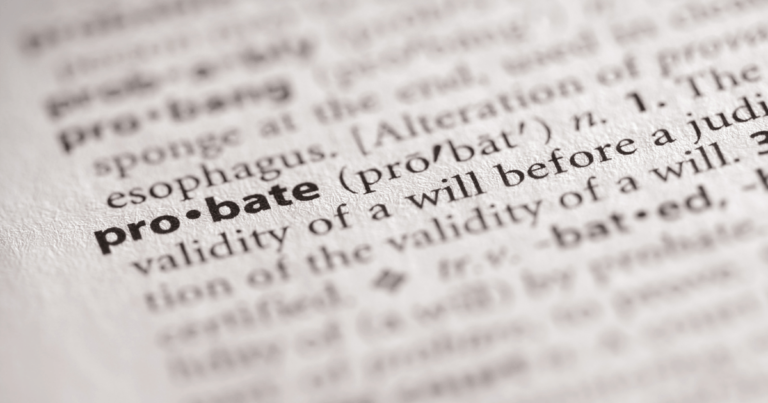
Probate is the legal process of administering a person’s estate after they have died.
This may involve:
- Collecting information about the deceased’s assets and liabilities.
- Valuing the estate.
- Completing inheritance tax forms where required.
- Applying for a Grant of Probate or Letters of Administration.
- Collecting in assets.
- Paying debts and distributing the estate to beneficiaries.
The complexity of the process can vary significantly depending on the size and nature of the estate.
Can I Apply for Probate Myself?
Many people choose to deal with probate themselves, particularly where the estate is relatively straightforward. However, Executors and Administrators take on significant legal responsibilities when administering an estate. They are responsible for ensuring that the estate is administered correctly and that any tax due is reported and paid appropriately. Mistakes can result in delays, financial penalties and, in some cases, personal liability.
When Are Inheritance Tax Forms Required?
Some estates are taxable due to their value exceeding the current inheritance tax threshold of £325,000, often referred to as the Nil Rate Band or tax-free allowance. Where an estate exceeds the available inheritance tax thresholds and reliefs, inheritance tax may be payable at a rate of 40% on the value above the available allowances. In these circumstances, inheritance tax forms must usually be completed and submitted to HM Revenue & Customs (HMRC) before probate can be obtained.
Why Is It Important to Get the Inheritance Tax Position Right?
Inheritance tax calculations are not always straightforward. There are numerous reliefs, exemptions and allowances that may be available depending on the circumstances of the estate. If these are not claimed correctly, beneficiaries may end up paying more tax than necessary.
Equally, if an estate is incorrectly reported or tax calculations are inaccurate, HMRC may identify errors later, potentially resulting in additional tax liabilities, interest and penalties. Obtaining professional advice can help ensure the estate is reported accurately and that all available reliefs are properly considered.
What Happens If Inheritance Tax Forms Are Not Submitted?
HMRC has recently issued guidance reminding personal representatives of the importance of completing inheritance tax forms where required. Failure to submit the appropriate forms can lead to financial penalties.
According to recent guidance, failing to submit the required forms within the first year following death may result in a penalty of £200. If the failure continues for a further two years, penalties can increase significantly to £3,000. There may also be interest charged on unpaid inheritance tax. For this reason, it is important to establish at an early stage whether inheritance tax forms are required and ensure they are completed correctly.
Today’s Wills and Probate have advised that this letter is preventative to ensure that calculations that are submitted are accurate.
Common Issues We See During Estate Administration
Even where an estate appears straightforward, complications can arise.
Some of the most common issues include:
- Incorrect inheritance tax calculations.
- Assets being overlooked or undervalued.
- Reliefs and exemptions not being claimed.
- Delays in obtaining financial information.
- Errors in probate applications.
- Uncertainty regarding the duties of Executors.
Many of these issues can be avoided through early professional advice.
Do I Need a Solicitor for Probate?
Not necessarily. Some people are comfortable administering a straightforward estate themselves. However, it is often worth seeking legal advice where:
- The estate may be liable for inheritance tax.
- There are multiple beneficiaries.
- Property forms part of the estate.
- Business assets are involved.
- Trusts are in place.
- The estate is complex or high value.
- There is any uncertainty regarding the administration process.
Professional support can provide reassurance and help minimise the risk of costly mistakes. Please note that any reliefs that may be available to an estate should be claimed using the correct Inheritance Tax forms. It is important that you seek guidance on whether inheritance tax forms are required to be submitted for estates as failure to do so, may result in large financial penalties, as well as interest charged on any unpaid tax.
How Thornton Jones Can Help
At Thornton Jones, we offer a range of probate and estate administration services depending on the level of support you require.
Our services include:
Grant of Probate Only
We can assist with preparing the probate application and relevant inheritance tax forms for both taxable and non-taxable estates.
Full Estate Administration
We can handle the complete administration of the estate, including collecting financial information, preparing inheritance tax accounts, obtaining the Grant and assisting with the distribution of assets.
Frequently Asked Questions
No. There is no legal requirement to use a solicitor, although professional advice can be beneficial depending on the complexity of the estate.
No. Whether inheritance tax forms are required depends on the value and circumstances of the estate.
The current Nil Rate Band is £325,000, although additional allowances and reliefs may be available depending on individual circumstances.
Potentially. Executors have a duty to administer the estate correctly and may be responsible for certain errors made during the process.
Seeking professional advice at an early stage can help establish the estate’s tax position and ensure any necessary forms are completed correctly.
Contact Our Probate Team
Administering an estate can be a significant responsibility, particularly where inheritance tax is involved.
Whether you simply require assistance with obtaining a Grant of Probate or would like support with the full administration of an estate, our experienced Wills and Probate team is here to help.
To discuss your circumstances or arrange an appointment with a member of our team, please contact Thornton Jones Solicitors today 01924 290 029 or via our online enquiry form.
Thornton Jones Solicitors’ Offices
The content of this blog post is for information only and does not constitute formal legal advice and should not be relied upon as advice. Thornton Jones Solicitors Limited accepts no liability for any such reliance upon this content. Where the post includes links to external websites, Thornton Jones Solicitors Limited accepts no responsibility for the content of such sites. Any link to a third-party website should not be construed as endorsement by Thornton Jones Solicitors Limited of any content, products or services which are outside our direct control.