Six Big Questions Commonly Asked on Mental Capacity and Powers of Attorney

Having the peace of mind knowing that, were you to become too unwell to care for our own matters, you have an appointed person who will care for your property, finances, health, and welfare were you unable to care for them yourself is important. A Lasting Powers of Attorney (LPA) is the legal document that you need to give you this peace of mind.
However, making an LPA relies upon you having what’s known as mental capacity, i.e. the ability to know what you are doing and the ramifications of any decisions you make. Assessing an individual’s mental capacity is just one step taken when making an LPA. Here are six questions that are often asked regarding mental capacity and the making of a Lasting Powers of Attorney.
What is a Lasting Power of Attorney?
In brief, a Lasting Power of Attorney, often abbreviated to LPA, is a document which you put in place during your lifetime, which allows one or more people of your choice (known as your Attorneys) to make decisions and act on your behalf if you need them to in future.
There are two types of LPA – one to deal with your property and financial matters and one to deal with your health and welfare matters.
For more detailed information about why an LPA is a useful document for you to put in place see our dedicated webpage here.
What does “Capacity” mean when doing a Lasting Powers of Attorney?
Every decision that you make requires a certain amount of mental capacity. The test for each decision is different, depending on the circumstances.
To create a Lasting Power of Attorney, the person making it, known as the Donor, must understand the nature of the LPA they are creating, and the powers it gives their chosen Attorneys.
The test that must be satisfied before you can make an LPA is set out in the Mental Capacity Act 2005.
What is the mental capacity test?
The first thing to bear in mind is that the Mental Capacity Act states that every person must be deemed to have the required capacity to make a particular decision unless it has been established that they do not.
It also specifies that just because someone makes a decision that you consider to be unwise, that does not mean they don’t have capacity.
To make a Lasting Powers of Attorney, the Donor must meet four criteria.
- Understand what an LPA is, the decisions that the Attorneys will be able to make, and when the Attorney will be able to make them;
- Retain this information for long enough to make the decision;
- Use and weigh this information to make an informed decision about whether to make the LPA; and
- Be able to communicate their decision (by speech, sign language, in writing or by some other method).
If any of these four things are missing, then the person is unlikely to have capacity to make an LPA.

When does the solicitor apply the mental capacity test?
The test is applied by solicitors at the first meeting, throughout the progress of the matter, and on the day the Donor signs the LPA(s).
People’s capacity can change day-to-day, especially if they take medication or suffer from a short-term condition which, for example, reduces concentration. Your solicitor will bear this in mind, but you need to make sure that your solicitor know of any medications or medical conditions that might have an impact on things like your memory, your understanding, or your concentration.
What if the solicitor isn’t sure?
If the solicitor is not sure whether or not you have capacity to make an LPA then they will raise this with you and suggest an independent capacity assessment.
They will prepare a detailed letter of instruction to the person doing the assessment, detailing the findings of the test they have already performed and what the assessor needs to look for and report on.
If the assessment confirms that you do have capacity to make an LPA, then the solicitor can proceed but they might ask the assessor to be the Certificate Provider for your LPA in due course.
If the assessment confirms that you do not have capacity to make an LPA, then the solicitor cannot do any further work for you in relation to your LPA(s).
Are there any options when someone doesn’t have the mental capacity to make an LPA?
Yes. All is not necessarily lost if someone is found not to have capacity to make Lasting Powers of Attorney for themselves.
It is possible for an application to be made to Court, asking the Court to appoint someone appropriate as a Deputy for the person, because they cannot make decisions or act for themselves. These applications are made to the Court of Protection and usually take some time to finish.
You would have to provide the Court with good evidence that you being appointed as their Deputy would be in that person’s best interests. You will also have to provide them with details of that person’s finances, living arrangements and family members.
The limitations of this route are the time it takes to get the Order, the much stricter supervision of Deputies as compared to Attorneys, and the fact that, except in very exceptional circumstances, the Deputyship Order will only allow you to make decisions in relation to that person’s property and finances. Deputyship Orders in relation to health and welfare decisions are very rare.
Contact us



Sherburn Office
Call our Lasting Powers of Attorney Solicitors in Sherburn in Elmet on

Ossett Office
Call our Lasting Powers of Attorney Solicitors in Ossett, Wakefield on
The content of this blog post is for information only and does not constitute formal legal advice and should not be relied upon as advice. Thornton Jones Solicitors Limited accepts no liability for any such reliance upon this content. Where the post includes links to external websites, Thornton Jones Solicitors Limited accepts no responsibility for the content of such sites. Any link to a third-party website should not be construed as endorsement by Thornton Jones Solicitors Limited of any content, products or services which are outside our direct control.
Whose Responsibility Is It to Arrange a Funeral and Who Takes Ownership of the Deceased’s Ashes?

It is not uncommon to find families disagreeing on the way a deceased loved one should be memorialised. The added dimension of second family, or blended families, have increased the potential for conflict. However, more often than not, even if family members agree with cremation, it is the fate of the ashes that then becomes the point of conflict.
Whose responsibility is it to organise a funeral?
If there is a valid Will and you are an Executor named in the deceased’s Will, it is your responsibility to make the funeral arrangements for that person. However, you may find yourself in a difficult situation by having to make decisions based on vague, or limited information, when it comes to arranging the deceased’s funeral and family members may have opinions on what the funeral arrangements should be. This can cause conflict.
If there is no valid Will, the responsibility for arranging the deceased’s funeral will be in accordance with the order of priority as outlined in the Intestacy Rules. This means that the responsibility to make the funeral arrangements will fall to family members in the following order:
- The surviving spouse or civil partner of the deceased.
- The deceased’s children.
- The deceased’s parents.
- The deceased’s siblings and so on.
It is important to note from the above list that the deceased’s co-habiting partner or children of the partner are not included. If you have been in a long-term relationship with the deceased but are not married or in a civil partnership then you will not have a right to make any funeral arrangements unless the deceased has made a Will and has named you as an Executor.
Does making a Will help with Funeral Arrangements?
Making a Will, which leaves specific instructions regarding a persons’ wishes for their funeral, can help to avoid family disputes, but it should be understood that funeral wishes made in a Will are not legally binding and the Executor has license to make or change any funeral arrangements as they deem appropriate. This means that the Executor will have the final say, which can lead to family disputes but can also allow the Executor to work closely with the family members to ensure that the funeral arrangements give consideration to everyone’s individual wished for the funeral.
Who has ownership of a deceased person’s ashes?
In law, a person’s body is not considered property and therefore it cannot be owned, and this extends to the ashes of a deceased. The person expected to take possession of the ashes is the Executor (if the deceased left a Will), or the highest ranked next of kin inline with the Intestacy Rules if no Will has been left.
However, it is often the case that the funeral undertakers or the crematorium will release the ashes to the person who delivered the body up for cremation and signed the application for cremation. The person who delivers the body for cremation may not always be the Executor or Administrator, which ultimately can lead to a dispute between that person and the Executor or Administrator as to who should take possession of the ashes.

Resolving Disputes
If there is a dispute between Executors and family members regarding the deceased’s funeral (and ultimately ashes) then, if an agreement cannot be reached, the Court can be asked to decide who is entitled to possession of the ashes. This however, not only has significant cost implications given the urgency of such applications, but can also cause irreparable damage to family relations at such an upsetting time for all. It is therefore far better to avoid issuing Court proceedings by having discussions between the parties to try and resolve the dispute, or enter into Mediation which can be a fast, effective, and cheaper way of resolving such disputes.
Contact us
☎️ Call our Wakefield office on 01924 290 029
☎️ Call our Garforth office on 0113 246 4423
☎️ Call our Sherburn in Elmet office on 01977 350 500
☎️ Call our Ossett office on 01924 586 466
The content of this blog post is for information only and does not constitute formal legal advice and should not be relied upon as advice. Thornton Jones Solicitors Limited accepts no liability for any such reliance upon this content. Where the post includes links to external websites, Thornton Jones Solicitors Limited accepts no responsibility for the content of such sites. Any link to a third-party website should not be construed as endorsement by Thornton Jones Solicitors Limited of any content, products or services which are outside our direct control.
What Happens if my Will is Found to be Invalid?

Making a Will is one of those tasks that often gets overlooked, however the importance of having a Will is clear. Without a Will, your assets will be distributed following the rules of intestacy which might mean that your assets are passed to someone who you may not have chosen. However, whilst having a Will is important, having a valid Will is paramount!
In this Blog we will focus on what happens if it is discovered that your Will is invalid and most importantly, what you can do now to prevent that from being the case.
What is the criteria for a Will to be valid?
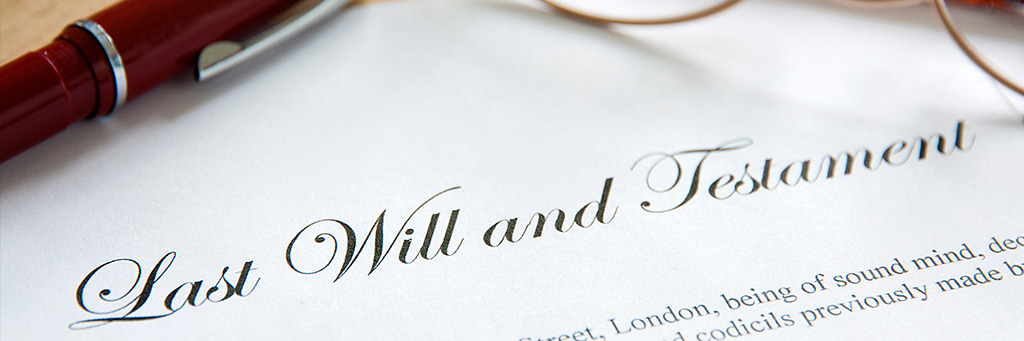
- It must be in writing.
- It must be signed by the Testator (the person making the Will) or by another person at the direction of the Testator and in their presence. The Will must be signed with the intention that the signature gives effect to the Will.
- The Will must be signed in the presence of two witnesses who are both present at the same time.
- Each Witness must sign the Will in the presence of the Testator, but not necessary in the presence of each other.
- The Witnesses must be over the age of 18 and not benefit from the Will.
How should a Will be witnessed in order for it to be valid?
To protect you and your beneficiaries there are some strict rules that must be followed to ensure that your Will is witnessed correctly and failure to follow these rules will result in your Will being deemed invalid. These rules are as follows.
- You must sign your Will in the presence of two independent witnesses and then the two witnesses must sign the Will in your presence;
- The witness must be over the age of 18, independent, and not a beneficiary under the Will, or related to one of the beneficiaries;
- You must sign the Will whilst both witnesses are watching and your witnesses must sign the Will while you are watching;
- If the Will is not witnessed, or it is witnessed incorrectly, it will be considered invalid.
During the Coronavirus pandemic new legislation was introduced allowing for a Will to be witnessed via video link if necessary. It is best to have your Will witnessed by professionals such as solicitors to ensure the Will is witnessed properly.

What is Testamentary Capacity?
In England and Wales you are able to make a Will as long as you are over the age of 18 and have testamentary capacity. This means that at the time of making your Will you:
- Understand the nature and effect of the Will, including the impact on the beneficiaries;
- Understand the nature and extent of the estate and what assets you are gifting in the Will;
- Understand the implications of including or excluding certain people as beneficiaries and the potential for claims to be brought against the estate;
- Not have a disorder of the mind which affects their capacity.
In certain circumstances, if there is concern that testamentary capacity could be questioned after your death, an assessment of capacity can be obtained and report prepared confirming your testamentary capacity, which could go towards defending a claim. You could also request a medical professional to be one of the witnesses when the Will is signed, which could help uphold the validity of the Will. Some examples of where the validity of a Will can be challenged are:
Lack of knowledge and approval
If the person making the Will was not aware of its content, did not understand the content, did not understand the extent of their estate or who would benefit from it and therefore did not understand the effect of their Will this is known as lack of knowledge and approval. There could be suspicion for example about a large gift to a person who helped with the preparation of the Will.
Undue Influence
When the Testator has been pressured or coerced into making a Will, or changing an existing Will this is known as undue influence. For a challenge to be successful the court requires a high standard of evidence. Actual undue influence would need to be shown and proof there is no other reasonable explanation for the terms of the Will.
Fraud or forgery
If a Will has been forged or is the result of fraud then it will be invalid.
Getting married
It is important to note that if you marry after making a Will the Will is automatically revoked (cancelled) by that marriage, unless the Will has been made in anticipation of marriage and there is an appropriate contemplation of marriage clause included in the Will.
Losing a Will
The storage of your Will is an important consideration. If you store your own original and it is lost, there is an assumption at law that the person who made the Will destroyed it. This is why is it important to ensure that your Will is stored with solicitors.
What are the consequences of an invalid Will?
If the last Will made is not valid then it will be the previous valid Will that would stand, and the estate would be distributed in accordance with the terms of that Will.
If there is no previously prepared valid Will then the estate would be dealt under the rules of intestacy, as if no Will was ever made.
If your Will is found to be invalid after your death it could have serious consequences for your chosen beneficiaries and could be extremely costly to resolve.
It is extremely important to seek professional legal advice when preparing your Will, to significantly reduce the risk of mistakes being made, and to ensure that the Will achieves your intentions.

Blog: The Dangers of Unregulated Will Writing Services
When obtaining and paying for legal documents and services, it can seem to many as an unnecessary expense. Also, with the advent of online “quick wills” and standard pre-printed packs, many question why they should go to the expense of instructing a Solicitor.
A blog by Amanda Gait, Partner and Head of Residential Property
What can I do to ensure my Will is valid?
It is advisable to always seek professional advice when making a Will. A solicitor who is trained and has experience in making Wills will be able to ensure that your wishes are correctly documented. As regulated and qualitied professionals with many years of experience, we are here to assist you in making sure that your wishes are met.
The Rules of Intestacy determine how a person’s estate is distributed if they die without a valid will. Under these rules, only spouses, civil partners, and close relatives (children, grandchildren, parents, and siblings) can inherit. Unmarried partners and friends are not entitled to anything. The specific distribution depends on the size of the estate and the surviving relatives.
A will must be witnessed by two independent adults who are present when the will is signed. Witnesses must not be beneficiaries or the spouse/civil partner of a beneficiary; otherwise, they forfeit their inheritance under the will. The witnesses must be over 18 and of sound mind.
Contact us
☎️ Call our Wakefield office on 01924 290 029
☎️ Call our Garforth office on 0113 246 4423
☎️ Call our Sherburn in Elmet office on 01977 350 500
☎️ Call our Mapplewell office on 01226 339 009
☎️ Call our Ossett office on 01924 586 466
The content of this blog post is for information only and does not constitute formal legal advice and should not be relied upon as advice. Thornton Jones Solicitors Limited accepts no liability for any such reliance upon this content. Where the post includes links to external websites, Thornton Jones Solicitors Limited accepts no responsibility for the content of such sites. Any link to a third-party website should not be construed as endorsement by Thornton Jones Solicitors Limited of any content, products or services which are outside our direct control.
Can I Make Gifts Before I Die and What Are the Consequences?
We would all like to make gifts to our loved ones and often people would prefer to make such gifts during their lifetime, rather than after their death, so that they can witness the recipient’s enjoyment of receiving the gift.
Lifetime gifting can also be a very effective way of reducing the value of a person’s estate to mitigate the Inheritance Tax payable on their death. However, Inheritance Tax may still be payable after your death, on gifts made during your lifetime.
What is the Legal Definition of a Gift?
The following are all considered gifts:
- Household and personal goods;
- A house, land or buildings;
- Money;
- Stocks and shares;
- Money representing the difference between the market value of an asset and the value for which it was actually sold e.g. selling a house to a child for an undervalue.
Does it matter when I make the Gift?
Yes, timing is important. If you survive the making of a gift by 7 years, then it falls outside of your estate for Inheritance Tax purposes. In other words, the value of the gift is no longer considered part of your estate, on which your estate could pay Inheritance Tax. This is referred to as the “seven year rule” and the gift is a “potentially exempt transfer.” However, if you die within 7 years of making a gift and there is Inheritance Tax to pay (after all other available allowances have been applied), then the amount of Inheritance Tax payable by your estate will depend on the timing of the gift.
- Gifts made in the 3 years prior to death are taxed at 40%.
- Gifts made within 3 to 7 years prior to death are taxed on a sliding scale referred to as taper relief. Taper relief only applies if the total value of gifts made in the 7 years before death is over the Inheritance Tax free threshold of £325,000.
- 7 years or more 0%
- 6 to 7 years 8%
- 5 to 6 years 16%
- 4 to 5 years 24%
- 3 to 4 years 32%
- 3 years or less 40%
Why is it important who receives the gift?
Some gifts are exempt from Inheritance Tax, depending on who is the recipient of the gift.
Gifts made to Charities and political parties are exempt from Inheritance Tax. As too are gifts between spouses and civil partners, regardless of the amount or timing of the gift, provided they are a permanent UK resident. These are exempt beneficiaries and there is no limit as to how much can be gifted or when the gift can be made.
What if I make a gift but still benefit from the asset gifted?
If you give away an asset but retain the benefit from it, such as gifting your house to a child but continue to live there, then the value of the gift will be included in the value of your estate, on which Inheritance Tax may be liable. This is known as a “Gift with Reservation of Benefit”.
How much can I give away?
During our lifetime we can each give away a total of £3,000 of gifts each tax year to non-exempt beneficiaries, without paying Inheritance Tax. This is known as the “annual exemption”. In other words, those gifts are not added to the value of your estate when calculating the Inheritance Tax due. The gift does not have to be one gift to one person, it could be split between several people. The total gift/s must not exceed £3,000 to fall within the annual exemption.
Any unused annual exemption can be carried forward to the next tax year, but only for one year giving a maximum of £6,000 in that tax year.

Can I make small gifts?
You can give as many small gifts of up to £250 per person to as many people as you choose each tax year. You cannot give a gift or more than £250 and avoid paying Inheritance Tax on the first £250. Inheritance Tax would be payable on the whole amount. The small gift allowance cannot be used if you have used any other allowance on the same person.
Can I make regular gifts or payments?
You can make regular payments to another person free of Inheritance Tax, such as helping a child with their rent or mortgage, paying into savings account for another, financially supporting a relative etc, if the payments can be made from surplus income. These payments must not be made from savings. Such payments are exempt from Inheritance Tax as “normal expenditure out of income”. There is no limit as to how much you can give provided you can afford the payments after meeting your usual living costs and you make the payments from your regular monthly income.
Birthday and Christmas gifts and other customary gifts are exempt from Inheritance Tax if they are made from your regular income.
You can combine normal expenditure out of income with any other allowance, except the small gift allowance.
Can I make a wedding gift?
Each tax year you can give a gift to someone who is getting married or starting a civil partnership. The amount depends on your relationship to recipient. You can gift £5,000 to a child, £2,500 to a grandchild or great grandchild and £1,000 to any other person.
You can combine a wedding gift allowance with any other allowance, except the small gift allowance.
An interesting point to note is that if you make a wedding gift and the wedding is subsequently called off the gift would no longer be exempt from Inheritance Tax.

Who pays the Inheritance tax on gifts?
Inheritance Tax on gifts is usually paid by the estate, unless you have gifted more than £325,000 in the 7 years prior to your death. If you have gifted more than £325,000 in the 7 years prior to your death, the recipient of the gift will be liable for the Inheritance Tax due on it. This could cause a very unintentional problem for the recipient of the gift who may not have been aware at the time the gift was received that Inheritance Tax would become payable.
Should I keep records of gifts made in my lifetime?
Yes absolutely. When you pass away the Personal Representative/s will need to know about the gifts made in the seven years prior to your death to be able to apply any available exemptions, calculate any Inheritance due, report the gifts on the relevant Inheritance Tax Return (if necessary) and ensure the correct Inheritance Tax is paid (if applicable).
If you keep records so that the necessary information is available to the Personal Representatives, this could save the estate both time and costs in attempting to determine such gifts.
Another point to consider is that keeping records of the gifts you make will allow you to notify the recipient of the gift that Inheritance Tax may become payable on your death, if applicable.
Gifts you can make
Here is a summary of the gifts you can make without paying any Inheritance Tax (subject to them meeting the criteria set out above:
- Gifts within the annual exemption
- Small gifts
- Wedding gifts
- Gifts to a spouse or civil partner
- Gifts to charities and political parties
- Normal expenditure from income such as living costs.
Please be aware that all values and percentages quoted in this article are correct at the time of publication. Values and percentages are subject to change, therefore we recommend you discuss your personal circumstances with us in order to receive the most up to date advice.
Contact us
☎️ Call our Wakefield office on 01924 290 029
☎️ Call our Garforth office on 0113 246 4423
☎️ Call our Sherburn in Elmet office on 01977 350 500
☎️ Call our Ossett office on 01924 586 466
The content of this blog post is for information only and does not constitute formal legal advice and should not be relied upon as advice. Thornton Jones Solicitors Limited accepts no liability for any such reliance upon this content. Where the post includes links to external websites, Thornton Jones Solicitors Limited accepts no responsibility for the content of such sites. Any link to a third-party website should not be construed as endorsement by Thornton Jones Solicitors Limited of any content, products or services which are outside our direct control.
Can I Gift My Home To My Children?

As Private Client solicitors, one question we get asked repeatedly is whether you should gift your home to your children. This question usually stems from conversations in regard to inheritance tax and/or care home fees.
Gifting your home to your children can be a great way to reduce tax liabilities and safeguard your most precious asset, however it can be a complex transaction and it does not come without risks – both the practical, legal, and tax implications of any transaction of this type must be carefully considered before taking place.
What are The Tax Implications of Gifting My Home to My Children?
As a UK resident, you are entitled to your personal tax-free inheritance tax allowance of £325,000, also known as the ‘nil-rate band’. This figure takes into account your whole estate – which is any money, investments, the valuation of any property, the valuation of possessions, and the value of any gifts made in the 7 years before death. If the value of your estate is above the ‘nil-rate band’ of £325,000, inheritance tax is normally paid at a rate of 40%, however exemptions and reliefs can apply depending on your own personal circumstances.
Have You Given Any Gifts in the Last 7 Years?
As mentioned above, the value of any gifts made in the 7 years before death is taken into consideration when valuing the tax liabilities of the estate. Firstly, if you do gift your property and die within 7 years from the date of that gift, the gift will still be counted as part of your estate for inheritance tax purposes. If you survive the 7 years from the date of giving the gift, it will not be counted as part of your estate for inheritance tax purposes. However, many clients we speak to wish to gift their property on the condition that they remain living in the property for the rest of their lives. When you gift an asset but continue to benefit from it (e.g., live in the property), this is referred to as a ‘gift with reservation of benefit’ and has different tax rules. Should you gift your home to your children and continue to live in the home, when you die, the property is deemed to have never been gifted and remained in your estate and is therefore, taxed accordingly. To avoid this tax rule, you would have to leave your home forever (as if you had sold it) or pay your children full market rate rent for the duration of your residence – if this was the case, then the normal 7-year rule discussed above would apply.

What If You Are Placed In A Care Home?
If you are placed in a care home in the future, the local authority will do a means test to work out how much you must contribute towards the cost of your care. They will consider what is held in your savings and bank accounts and your property will be included in the means test at its present market value. Currently, if your capital is above £23,250, you are likely to have to pay your care fees in full. If your capital is under £23,250 you might get some help from the local council, but you may still need to contribute towards the fees.
Many clients we speak to wish to protect their biggest asset, their family home from being sold in order to fund care home fees later on in life and therefore qualify for care fee funding, however it is not always that simple. There are risks if you intentionally gift your assets away for the purpose of lowering the value of assets which will be included in a care home fees financial assessment. The local authority will likely view this as a deliberate deprivation of assets. If a local authority concludes that it was your intention to purposefully deprive yourself of your assets in order to get financial help with care fees, they can include these assets for assessment purposes and even in certain circumstances, reclaim the gifted asset as payment for any outstanding care fees.
What Are The Other Risks of Gifting My Home to My Children?
Other risks you might not have thought of include a breakdown in relationships. You may have a good relationship with your children at present day, however unfortunately no one knows the future and family relationships do break down. You are unable to put conditions on gifting. For example, you may agree with your children that you can live in the property until you die, however you have no legal right to stay in the property and could be evicted. Once you give your property away, it is irreversible and you cannot get it back – all decisions (including mortgaging, selling, or maintaining) are made by your children who are the legal owners and if the relationship breaks down, it may mean that your interests are not protected.

Furthermore, once the property is given to your children, it becomes their own asset, whether you are living in it or not. This means that the property may be caught up in their circumstances and therefore lost as a result of being sold to satisfy divorce or bankruptcy settlements, leaving you in a complete unprotected position. It does also mean that if your child predeceases you, the asset falls within their own estate meaning that it will pass either under your child’s Will or under the Rules of Intestacy if they died without a Will. This means that the property may pass to someone who you may not wish to inherit and who ultimately has legal control of the property. Again, although this is not always a problem, this may place you in an unprotected position as they would have the legal right to evict you from the property, leaving you homeless.
As with any decision, it is important to consider all the tax and practical implications before going ahead with any transaction. If after reading the above, you do wish to proceed or if you have any other questions or queries on gifting your property, please do contact us.
Contact us
☎️ Call our Wakefield office on 01924 290 029
☎️ Call our Garforth office on 0113 246 4423
☎️ Call our Sherburn in Elmet office on 01977 350 500
☎️ Call our Mapplewell office on 01226 339 009
☎️ Call our Ossett office on 01924 586 466
The content of this blog post is for information only and does not constitute formal legal advice and should not be relied upon as advice. Thornton Jones Solicitors Limited accepts no liability for any such reliance upon this content. Where the post includes links to external websites, Thornton Jones Solicitors Limited accepts no responsibility for the content of such sites. Any link to a third-party website should not be construed as endorsement by Thornton Jones Solicitors Limited of any content, products or services which are outside our direct control.
Do I need to register my Trust with HMRC?
Most trusts in the UK must be registered with HMRC’s Trust Registration Service, but certain trusts are exempt, such as those imposed by a court or created through legislation. Trustees are legally responsible for ensuring registration where required. Failing to do so can lead to penalties, so it is important to confirm your obligations with a solicitor or a tax adviser.
In this article we focus on the registration of non-taxable Trusts, which is a Trust that has no UK tax liability. Here we set out some key information in respect of registering a non-taxable Trust with HMRC. Trusts can be a tricky concept and so it is always encouraged to seek professional advice in respect of whether a specific Trust needs to be registered or not.
What is a non-taxable trust?
A non-taxable trust is a trust that does not currently incur any UK tax liability, such as Income Tax, Capital Gains Tax, Inheritance Tax, Stamp Duty Land Tax or Stamp Duty Reserve Tax. Non-taxable trusts often arise where the trust holds assets that do not generate taxable income or gains, or where the trust qualifies for an exemption under tax law.
What types of non-taxable Trusts need to be registered with HMRC?
Prior to a change in September 2021, only taxable Trusts were subject to registration, however, following a change in the HMRC rules, there is now a requirement for most non-taxable express Trusts to be registered too. An express Trust is a type of Trust which is created deliberately by the Settlor (the person who created the Trust) and there will usually be a document, such as a Deed, which creates the Trust. Express Trusts can be made either during the lifetime of the Settlor or they can be created on their death if their Will creates a Trust.
What types of Trusts are exempt from registration?
There are, however, some exceptions to the types of non-taxable express Trusts that need to be registered. Schedule 3A of The Money Laundering, Terrorist Financing and Transfer of Funds (Information on the Payer) Regulations 2017 sets out specifically the types of Trust that are excluded from the registration requirements. It is important that you check to see whether the type of non-taxable Trust you are considering falls into any of the exclusions.

"*" indicates required fields
How do I register a Trust as a trustee with HMRC?
Trusts need to be registered with HMRC using their online Trust Registration Service (TRS). The Trustees need to make an account to do this and then input and submit all of the information required. You should then be issued with a Unique Reference Number (URN) for the non-taxable Trust.
Once the Trust is set up on the TRS, the Trustees are then responsible for keeping the information on there up to date, as and when anything changes. It is important to remember that the responsibility to keep the TRS information up to date is an ongoing responsibility and should be done as part of the administration of the Trust.
Who is responsible for registering a Trust with HMRC?
In England and Wales, trustees are legally responsible for registering a trust with HMRC’s Trust Registration Service, unless the trust is exempt. They must register accurately and on time, and keep details updated to avoid penalties. As the rules can be complex, it’s important to seek expert legal advice to confirm whether registration is required and ensure full compliance.
Thornton Jones Solicitors advise that trustees should take these duties seriously to avoid costly penalties and protect beneficiaries’ interests. Early legal guidance can clarify obligations and help manage the registration process efficiently.
Contact our solicitors today for tailored advice on trust registration.

What is a Secret Trust?
Often thought to no longer be relevant in modern law, the archaic concept of secret trusts still exist in Wills today. This little known but fascinating topic does appear from time to time. The law concerning secret trusts is complex, but in the most simple terms, a secret trust is created when a person (known as a testator) makes a gift in a Will to one person but really intends that the person receiving that gift (the secret trustee) to hold that gift for another person instead (the beneficiary). A Blog by Liz Fyfe.
Does it matter when the non-taxable Trust was made?
- Non-taxable Trusts created on or before 06 October 2020 should have been registered on or before 01 September 2022.
- Non-taxable Trusts created after 06 October 2020 should be registered within 90 days of the Trust being created or it no longer being excluded under Schedule 3A mentioned above.
What happens if I do not register a Trust in time?
If a Trustee deliberately fails to register a Trust on time or fails to keep the Trust Registration Service information up to date, HMRC may impose a fixed penalty of up to £5,000. Before deciding to charge a penalty. HMRC will consider whether the failure was deliberate. As such, whether HMRC charge a penalty is considered on a case-by-case basis.
How can we help you register your trust with HMRC?
Thornton Jones can assist in dealing with the registration of Trusts on the Trust Registration Service on behalf of the Trustees. We are also able to provide Trustees with advice in respect of the ongoing administration of the Trust. If you do require any professional advice or assistance with all manner of Trust queries, then please do contact a member of the Team.
Registering a Trust with HMRC FAQs
A Trustee is a person who will manage the money or assets that have been appointed to another individual and will decide when and how the inheritance will be allocated to the beneficiary. The trustee must act in the best interests of the beneficiary or beneficiaries and follow the terms as they are laid out in the Will.
The settlor is the person who sets up the trust, who owns the trust and reserves the right to amend or revoke the trust. The settlor also specifies who will be the trustee, who should benefit from the trust assets, and under what circumstances.
An express trust, that is a trust that is intentionally made by the settlor, is any trust created deliberately by a settlor in express terms. The opposite of an express trust, in legal terms, is an implied trust, which is implied by the circumstances.
The settlor is the person who puts assets into a trust.
In England and Wales, most trusts must be registered with HM Revenue & Customs (HMRC) through the Trust Registration Service (TRS). As a trustee, you are legally responsible for ensuring the trust is registered if it meets the registration requirements. You will usually need to register a trust if it:
1. Is liable to pay UK tax, or
2. Is a UK express trust, or
3. Is a non-UK trust with certain UK connections (such as UK property ownership or income from the UK).
Steps to register a trust:
• Gather required information – This includes the trust’s name, date of creation, details of all trustees, settlors and beneficiaries, and any assets held by the trust.
• Create a Government Gateway account – You will need this to access the TRS online.
• Complete the TRS form – Provide all required details accurately.
• Submit the registration – Once complete, you will receive a unique reference number for the trust.
Deadlines vary depending on when the trust was created and whether it becomes liable for UK tax, so it is important to register promptly to avoid penalties.
If you are unsure whether your trust needs to be registered or you require assistance with the process, a solicitor experienced in trust law can provide tailored advice and manage the registration on your behalf.
How can we help you register your trust with HMRC?
Thornton Jones can assist in dealing with the registration of Trusts on the Trust Registration Service on behalf of the Trustees. We are also able to provide Trustees with advice in respect of the ongoing administration of the Trust. If you do require any professional advice or assistance with all manner of Trust queries, then please do contact a member of the Team.
The content of this blog post is for information only and does not constitute formal legal advice and should not be relied upon as advice. Thornton Jones Solicitors Limited accepts no liability for any such reliance upon this content. Where the post includes links to external websites, Thornton Jones Solicitors Limited accepts no responsibility for the content of such sites. Any link to a third party website should not be construed as endorsement by Thornton Jones Solicitors Limited of any content, products or services which are outside our direct control.

Prince Died Four Years Ago and Left No Will.
Four years ago today the music legend Prince passed away. With a career earning him seven Grammy Awards, seven Brit Awards and a Golden Globe Award to name just a few you’d expect him to have an Estate worth a bob or two. But what happens if you die without a Will?
In fact it’s estimated his Estate was worth over $150 million and with posthumous releases of his work it’s likely to have grown in size. But guess what, despite such riches, Prince didn’t have a Will in place.
Why Should You Make A Will?
With no documented wishes, there ensured an onslaught of children, siblings, distant family members and ex-wives all trying to make claim to the Estate. What followed was reportedly a three year legal battle costing in excess of $45 million. That’s a lot of his Estate spent fighting, surely not something that Prince would have wanted to happen to nearly a quarter of his worth.
Making a Will often seems like just ‘one of those jobs’ and gets put on the back-burner to be dealt with when the more exciting things in life allow. And this is fine until it’s too late. Then what’s left behind is a family, potentially a feuding family, having to deal with an Estate whilst also grieving.
By taking the time to make a Will, you ensure that your wishes are honoured and your loved ones aren’t left to navigate a complex and costly legal battle. It’s a simple step that provides clarity, peace of mind, and, most importantly, avoids the stress and heartache of family disputes during an already difficult time. Don’t leave things to chance and make a Will today to protect both your legacy and the people you care about.
"*" indicates required fields
How Long Does it Take To Make A Will?
All it takes is a couple of hours to document your wishes and make a Will. These couple of hours can save weeks, if not months, of anguish and upset and falling out not to mention the hefty price tag that comes with contesting a Will.
While it is possible to write a Will yourself, using a qualified solicitor ensures that your Will is legally sound, accurately reflects your wishes, and minimises the risk of disputes after your passing. A solicitor can provide expert advice on complex issues such as inheritance tax, trusts, or ensuring vulnerable beneficiaries are properly protected. They will also ensure your Will meets all legal requirements under the law of England and Wales, reducing the risk of it being challenged or deemed invalid. By seeking professional guidance, you can have peace of mind knowing that your Estate will be distributed exactly as you intend.
Having a Will in place ensures that your estate is distributed according to your wishes after your death. Without a valid Will, your estate will be divided according to the laws of intestacy, which may not reflect your preferences. This could lead to family disputes, unnecessary legal costs, and a prolonged probate process. A Will provides clarity and can prevent the emotional and financial strain on your loved ones during an already difficult time.
You can write your own Will, known as a ‘DIY Will’, but it’s important to ensure that it is legally valid and clearly outlines your wishes. If you choose to write your own, it must meet all the legal requirements, such as being signed and witnessed correctly. However, using a solicitor can provide peace of mind that the Will is valid and that you are not overlooking important aspects, especially if you have a complex estate or family situation.
If someone dies without a Will in England and Wales, their estate will be distributed according to the rules of intestacy. This means the government will decide who inherits your assets, which might not align with your wishes. In some cases, this could cause financial strain or family disputes, especially if you have dependents or stepchildren. It’s always best to make a Will to ensure that your assets go to the people you want and avoid unnecessary legal complications.
Already Have a Will? Why Is It Important to Update Your Will?
Making a Will is a crucial step in protecting your loved ones and ensuring your wishes are carried out, but it’s not a one-time task. Life changes like marriage, divorce, having children, acquiring new assets, or even changes in tax laws, can all impact the relevance and effectiveness of your Will. If your Will no longer reflects your current wishes or circumstances, it could lead to unintended consequences, including disputes among family members or assets being distributed in ways you no longer intend. Regularly reviewing and updating your Will ensures that it remains valid and aligned with your latest intentions.
How Do I Update My Existing Will?
Updating your Will is straightforward but must be done correctly to ensure its legal validity. In England and Wales, you can update your Will by:
- Creating a Codicil – A codicil is a legal document that makes minor amendments to an existing Will without needing to rewrite it entirely. However, it must be signed and witnessed in the same way as your original Will.
- Making a New Will – If your changes are significant, it’s often better to create a new Will that revokes the old one. This ensures clarity and avoids confusion over conflicting instructions.
To avoid mistakes or legal challenges, it’s always advisable to seek professional guidance from a solicitor when updating your Will. They can help ensure your amendments are properly recorded and legally binding, giving you complete peace of mind.
Contact us
Our advice is to make a Will. Click here to see our fees for making a will. With our will writing services in Yorkshire we will make sure that your wishes are heard when it comes to dealing with your estate when you die. If you wish to make a will or update an existing will then call us at any of our offices to discuss our needs and to make an appointment.
The content of this blog post is for information only and does not constitute formal legal advice and should not be relied upon as advice. Thornton Jones Solicitors Limited accepts no liability for any such reliance upon this content. Where the post includes links to external websites, Thornton Jones Solicitors Limited accepts no responsibility for the content of such sites. Any link to a third-party website should not be construed as endorsement by Thornton Jones Solicitors Limited of any content, products or services which are outside our direct control.